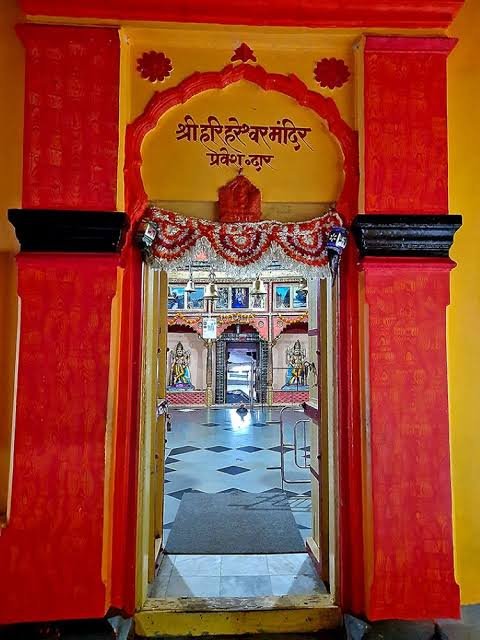
|| ॐ श्री कालभैरवाय नमः || ॐ श्री हरिहरेश्वराय नमः ||
ॐ त्रिगुणात्मक विद्महे ओंकार स्वरूपाय धीमहि तन्नो हरिहरेश्वर प्रचोदयात् । ॐ त्रिगुणात्मक विद्महे ओंकार स्वरूपाय धीमहि तन्नो हरिहरेश्वर प्रचोदयात् । ॐ त्रिगुणात्मक विद्महे ओंकार स्वरूपाय धीमहि तन्नो हरिहरेश्वर प्रचोदयात् । ॐ त्रिगुणात्मक विद्महे ओंकार स्वरूपाय धीमहि तन्नो हरिहरेश्वर प्रचोदयात् । ॐ त्रिगुणात्मक विद्महे ओंकार स्वरूपाय धीमहि तन्नो हरिहरेश्वर प्रचोदयात् । ॐ त्रिगुणात्मक विद्महे ओंकार स्वरूपाय धीमहि तन्नो हरिहरेश्वर प्रचोदयात् ।

About Our Temple

History, significance and sacred traditions of Harihareshwar.

|| Shri Harihareshwar Kalbhairav Prasanna ||

Shri Kshetra Harihareshwar

(Dakshinkashi)
Shri Harihareshwar

Shri Harihareshwar

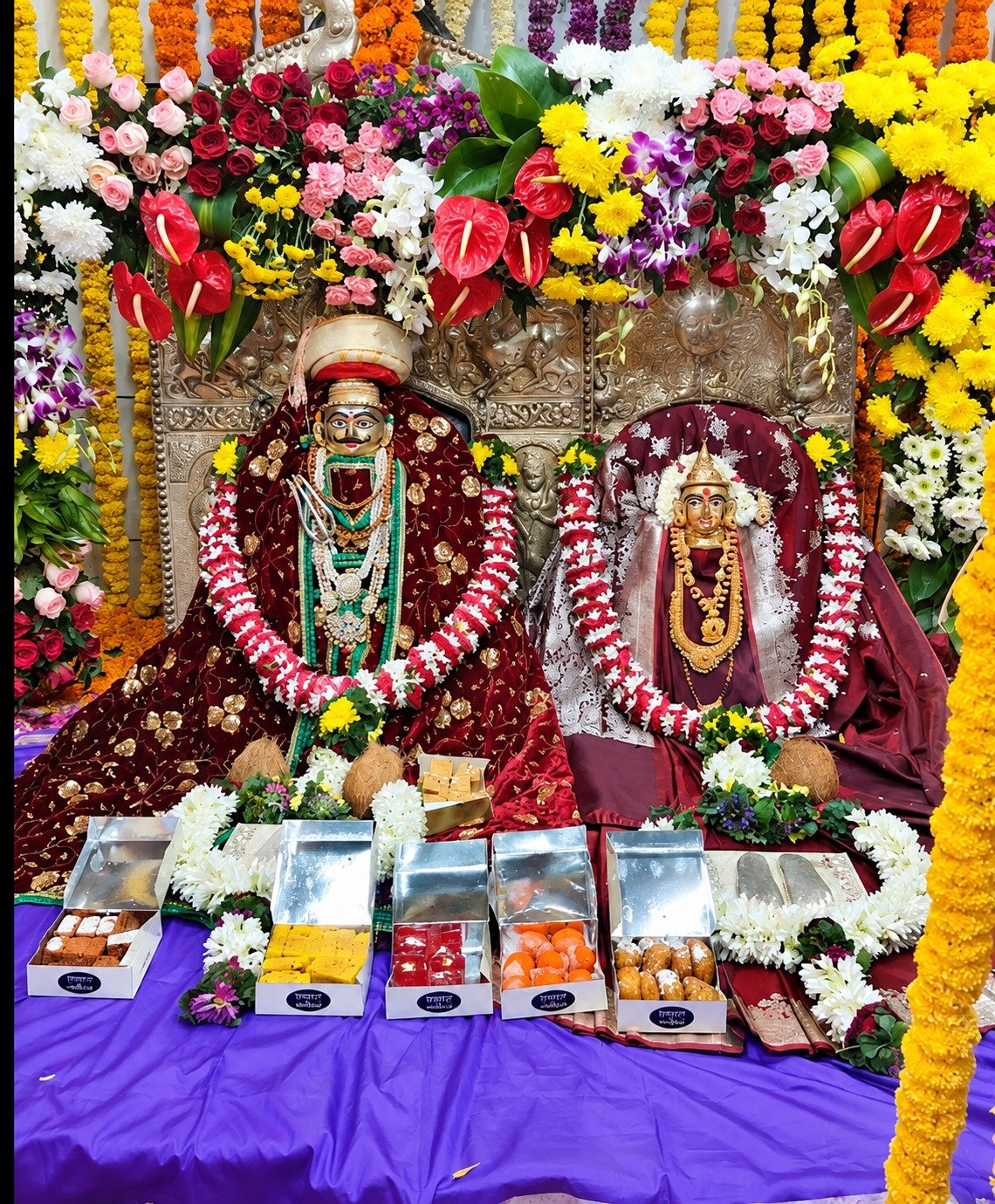
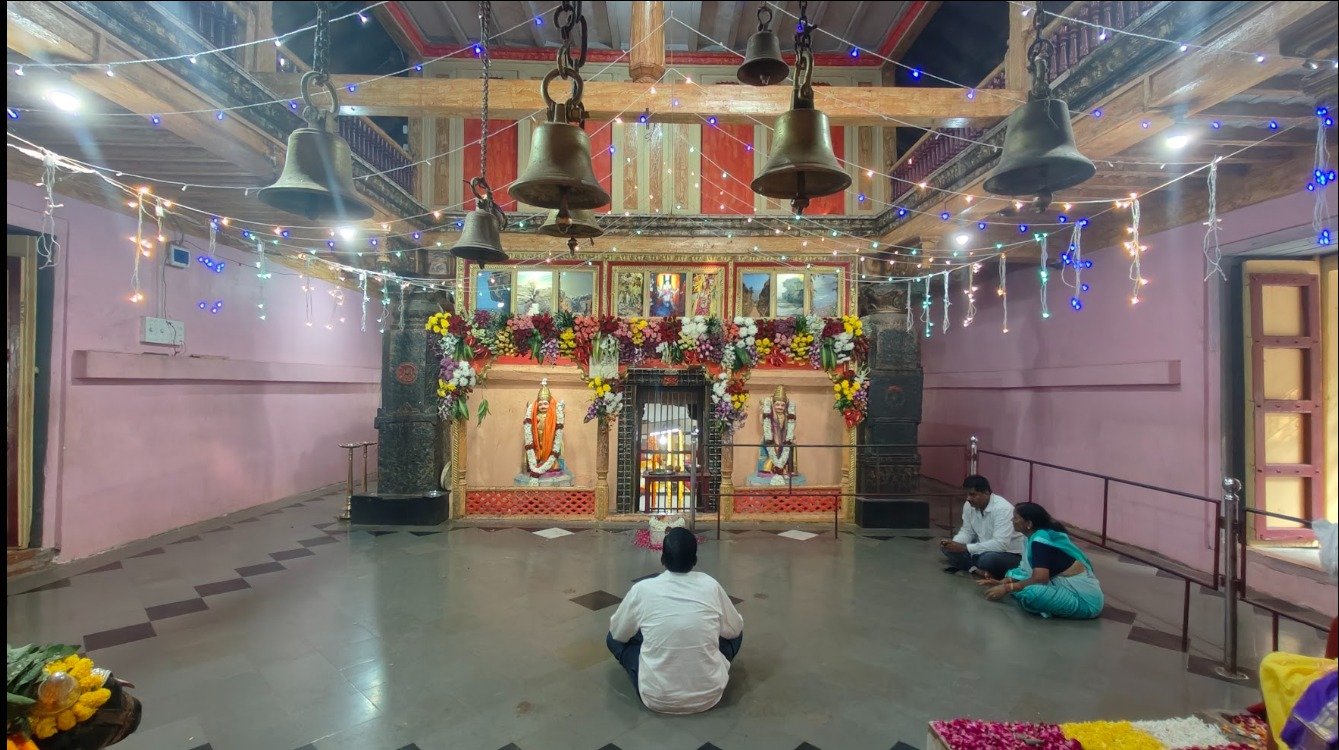
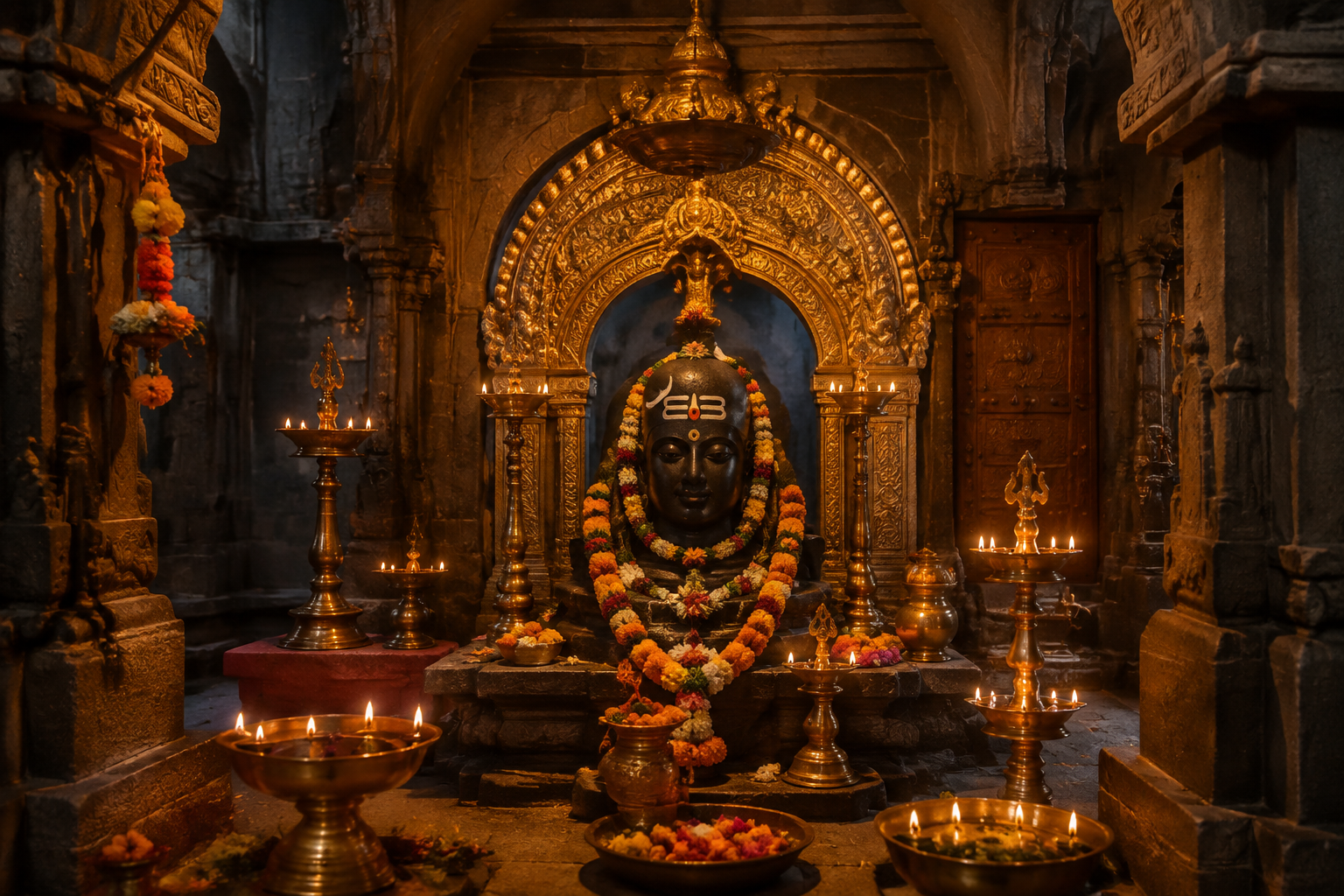
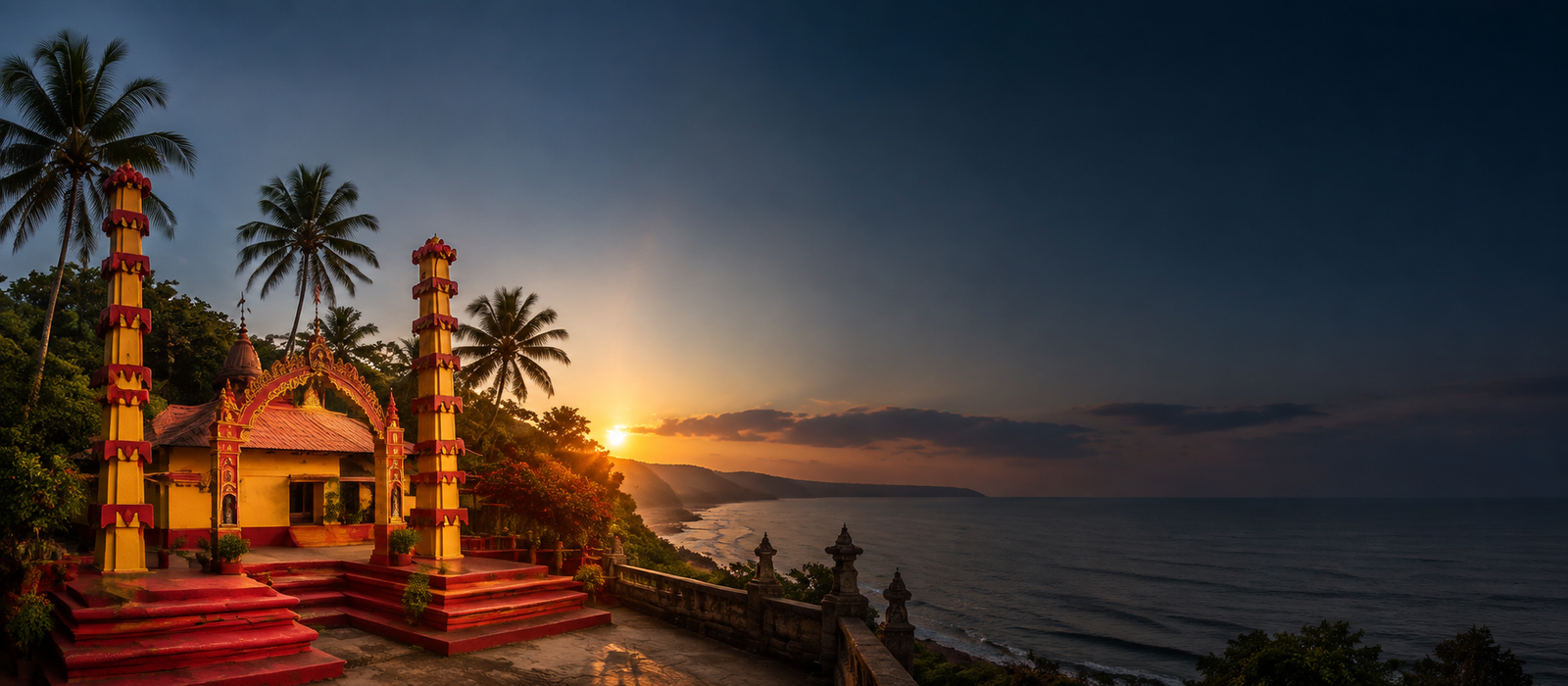
Shri Kshetra Harihareshwar is a foremost pilgrimage site of Hindustan (India). This place is also known as Dakshinkashi. The main temple here is of Shri Harihareshwar; in the sanctum are Brahma, Vishnu, Mahesh and Adimaya Parvati in the form of lingas. Through the penance of the great sage Agastya, Shri Harihareshwar manifested here in linga form.

Shri Kalbhairav Yogeshwari

Shri Kalbhairav Yogeshwari

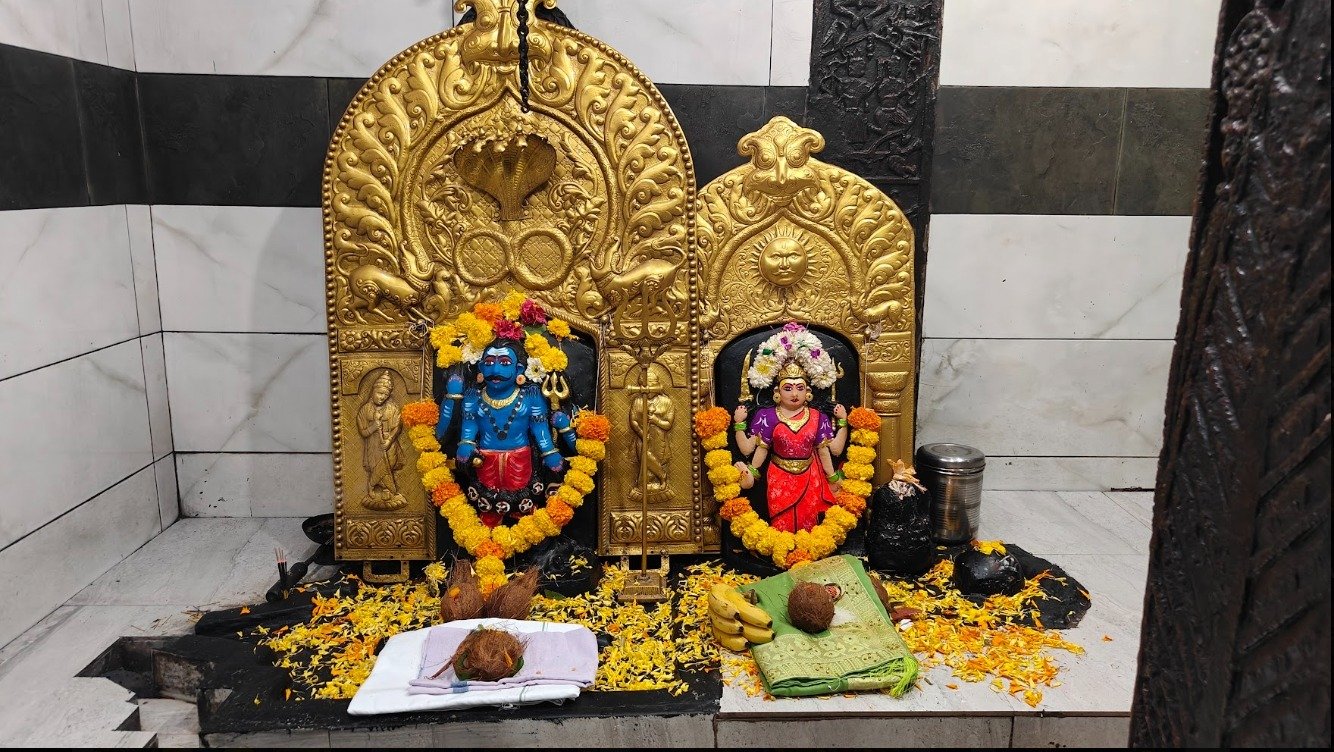
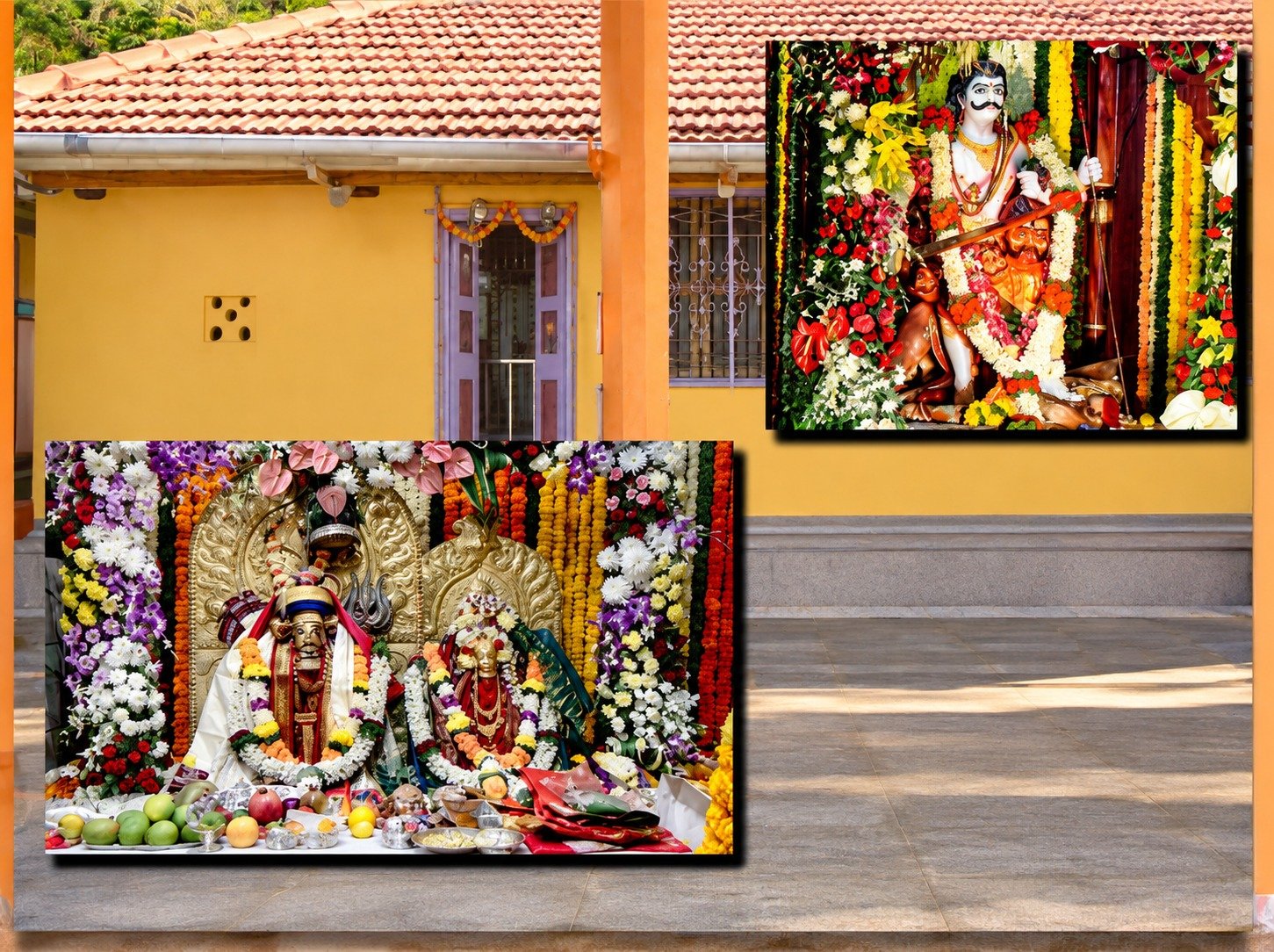
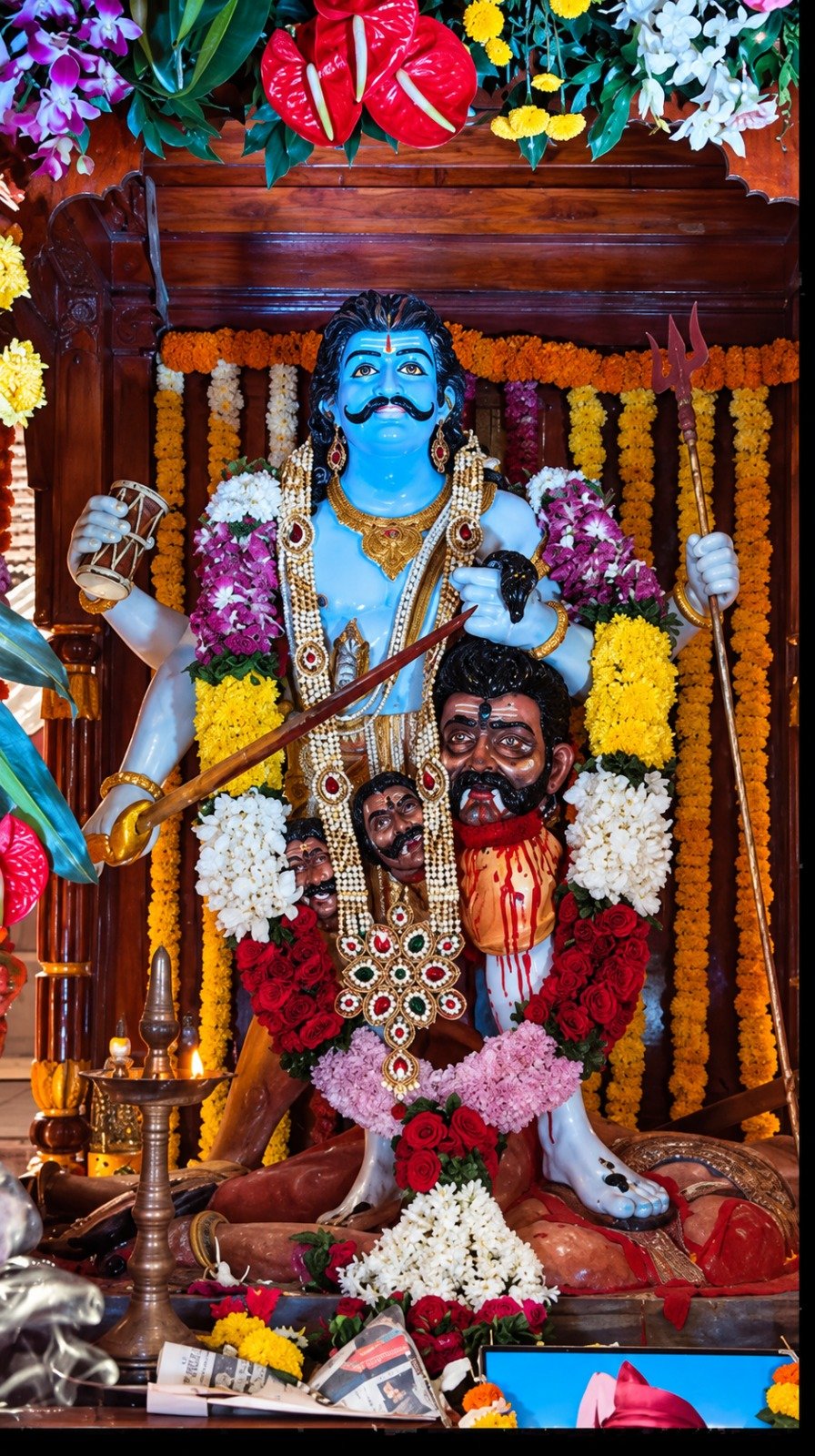
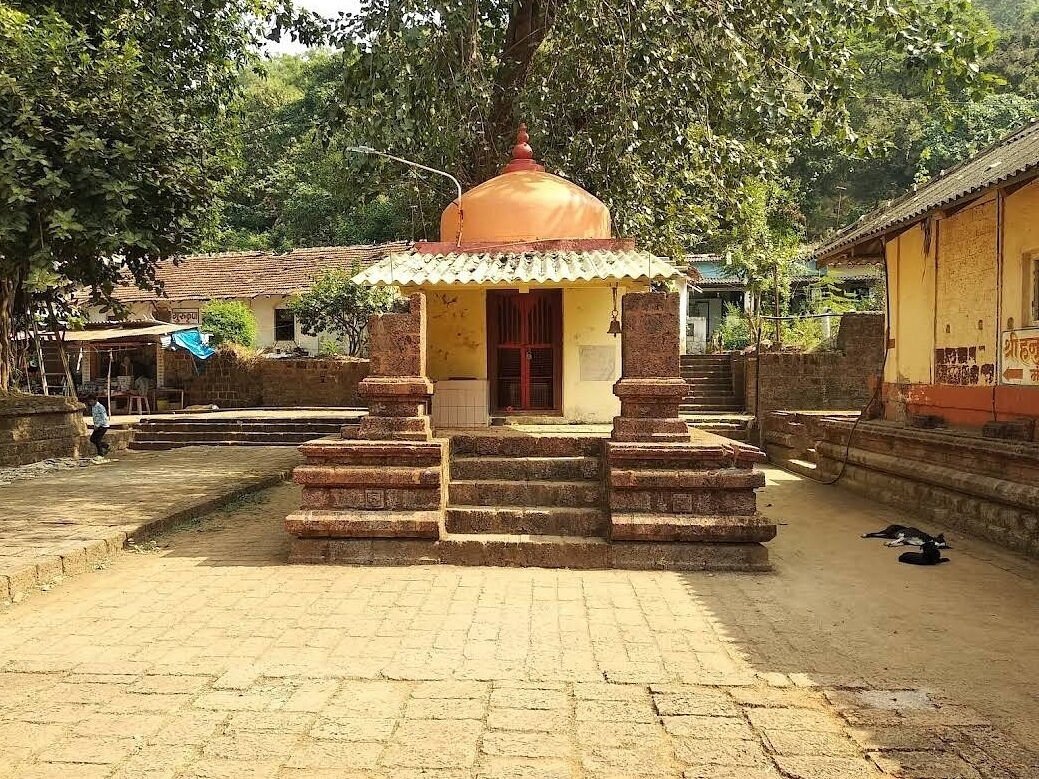
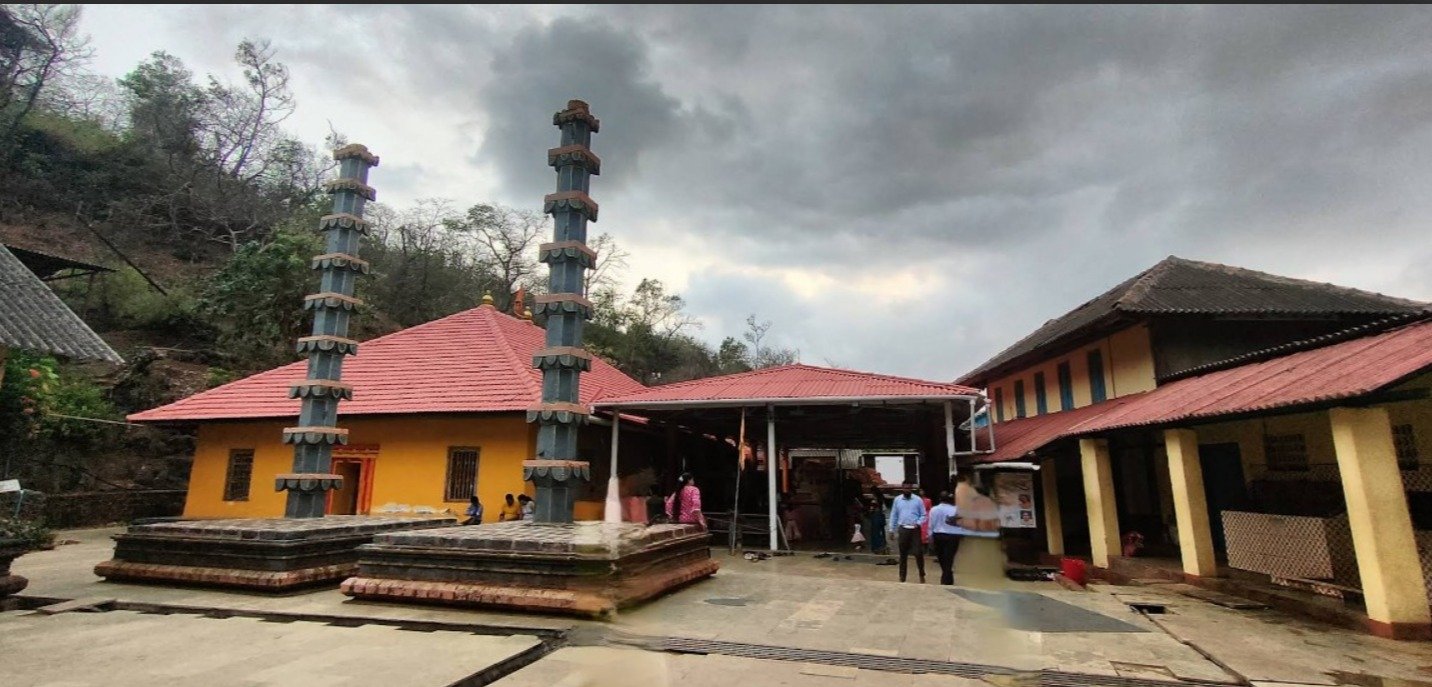
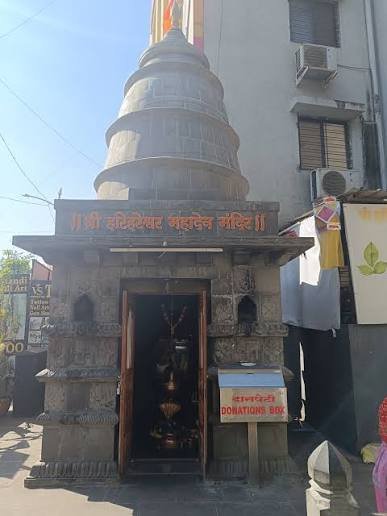
The second temple is of Shri Kalbhairav. Shri Kalbhairav incarnated to slay the demon Shataghna. By the grace of this deity, afflictions caused by evil spirits are removed. Beside this deity is the Adishakti Yogeshwari.

Method of Darshan

Method of Darshan

As in Uttar Kashi, one should first take darshan of Shri Kalbhairav, and then, after having darshan of Shri Ganapati, Garuda and Nandi in the Shri Harihareshwar temple, take darshan of Shri Harihareshwar. The pradakshina of Shri Harihareshwar is Somsutri.

Tirthas and Pradakshina

Tirthas and Pradakshina

By climbing the steps behind the Shri Kalbhairav temple, one can visit other holy sites. On the way one sees Vishnupad, Shuklatirtha, Chakratirtha, Suryatirtha, Nagtirtha, Gauritirtha, Pandavtirtha, etc. While taking this darshan, one also receives the merit of circumambulating Brahmadev. As in the sanctum, Shri Harihareshwar dwells in the form of a mountain, and the pradakshina is of Brahmadev's mountain. One should go for the pradakshina only after checking the high and low tides.

Mention in the Puranas

Mention in the Puranas

A detailed description of this holy place is found in the Sahyadri Khanda of the Skanda Purana.

ध्यायेत् सदा श्री हरिहरेशं तव पाद पंकजम् ।
सुरैर्मुनैर्वन्दित दिव्य रूपम् ।
भुक्तिं च मुक्तिं च ददासि नित्यम् ।
भावानुसारेंण सदा नराणाम् ॥

Family Deity and Government Grant

Family Deity and Government Grant

Shri Harihareshwar and Kalbhairav are the family deities of many, including the Shrimant Peshwas (Bhat). Even today, the local Upadhye priests carry out the worship duties during festivals on behalf of the Shrimant Peshwas. Since that time, this place was granted Rs. 1152/- annually. That grant has now been increased by the Government of Maharashtra. A separate fund is also provided by the Zilla Parishad for chaughada (traditional drum) music. Cooperation is also received from other devotees and donors.

Request for Support

Request for Support

The temple also receives financial support through the ongoing ten-year Puja Abhishek scheme. However, due to rising inflation, the temple's expenses have increased. Even so, this temple does not levy any tax on visiting devotees. We therefore request devotees to support us financially by donating in the temple's donation box or by giving a proper donation at the office.

Facilities for Devotees

Facilities for Devotees

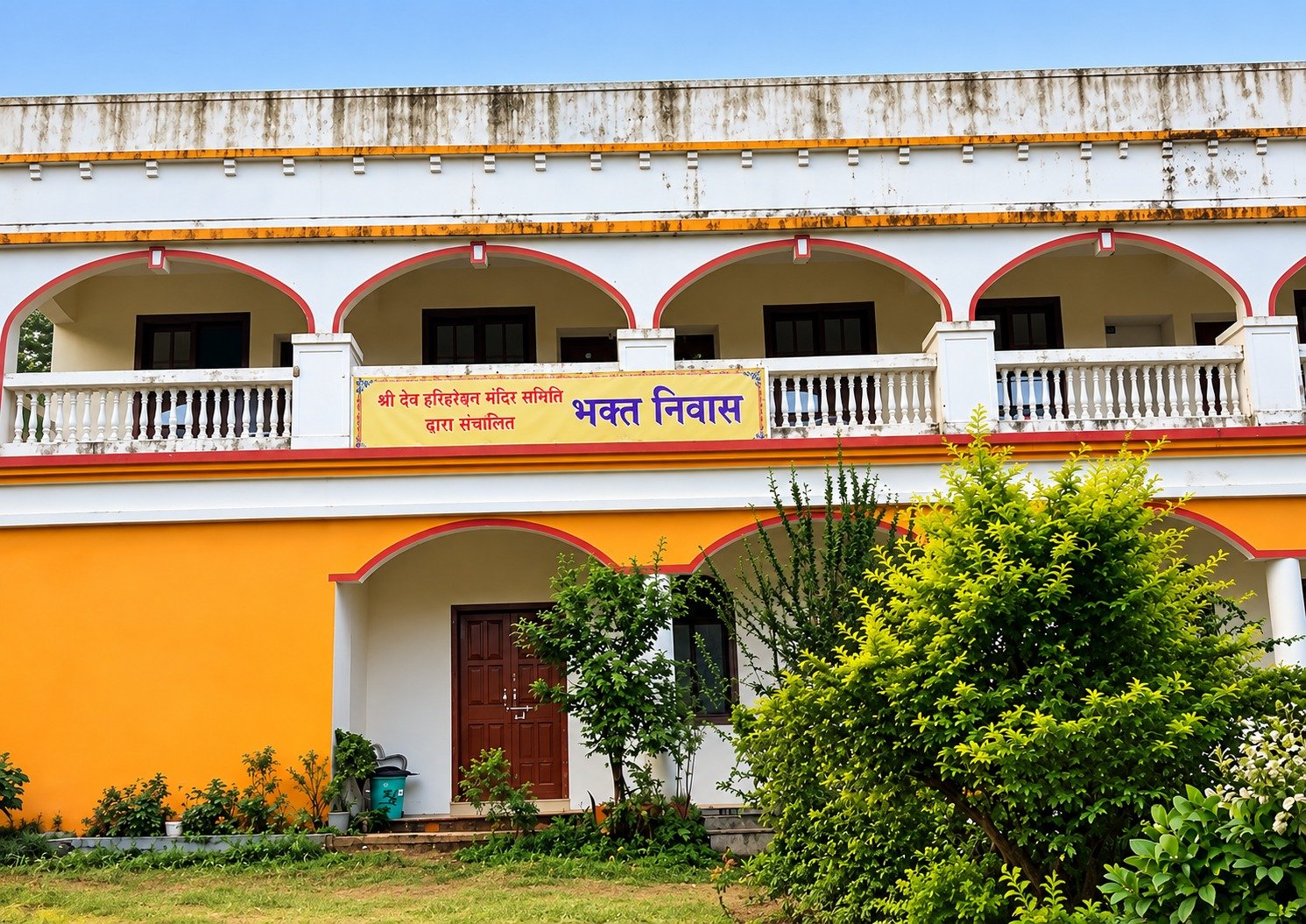
Visiting devotees still face inconvenience regarding water and pilgrim accommodation (Bhakt Niwas). Efforts are underway to address this. We request that all the above appeals be considered sympathetically and that you extend your cooperation.

— Shri Dev Harihareshwar Kalbhairav Mandir Sansthan, Harihareshwar

The Temple at a Glance

Location

Location

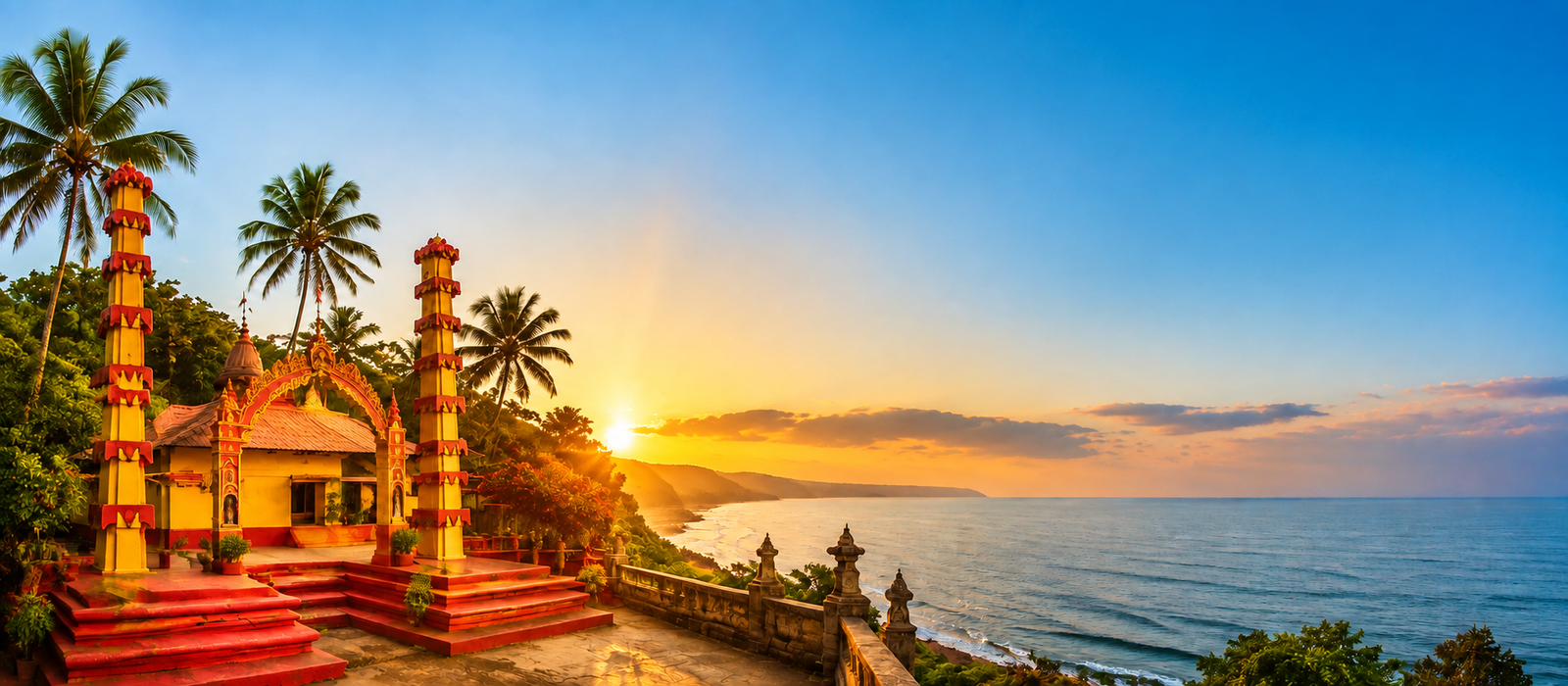
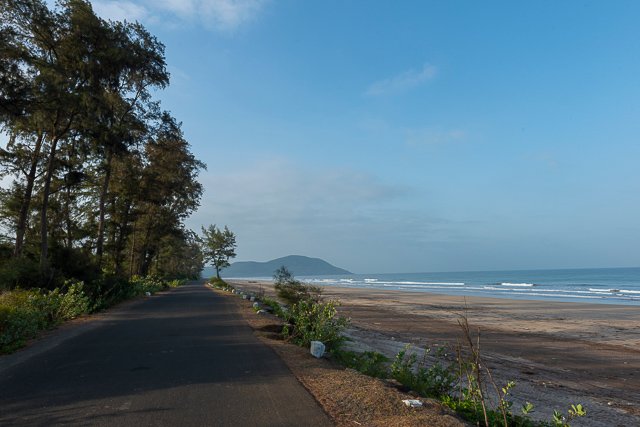
Harihareshwar, also known as Dakshin Kashi, is a beautiful town on the western coast of India, about 200 km from Mumbai and Pune.

Four Sacred Hills

Four Sacred Hills

Surrounded by four hills - Brahma, Vishnu, Mahesh and Parvati - the town lies at the confluence of the river Savitri and the Arabian Sea.

One of the 108 Teerthas

One of the 108 Teerthas

Harihareshwar is one of the 108 teerthas spread across the Konkan coast, from Nirmal in the north to Gokarna in the south. As per the Harihareshwar Mahatmya (Skanda Purana, Sahyadri Khanda), the rivers Savitri and Gayatri meet the Arabian Sea here after Lord Vishnu conducted a yagnya at Shukla Teertha.

Devghar - House of Gods

Devghar - House of Gods

Harihareshwar is also called Devghar, the House of Gods, where Hari, Har and Ishwar reside in the form of lingas in the lap of the Sahyadri mountains.

The Main Temples

The Main Temples

The main temples are the Shri Harihareshwar temple and the Shri Kalbhairav and Devi Yogeshwari temple. Agasti Rishi (Agasti Muni) sculpted the idols when he was blessed with the darshan of Lord Shiva and Kalbhairav. The Yadava kings built the temple; later the Peshwas renovated it, and it stands strong today.

Shri Harihareshwar Temple

Shri Harihareshwar Temple

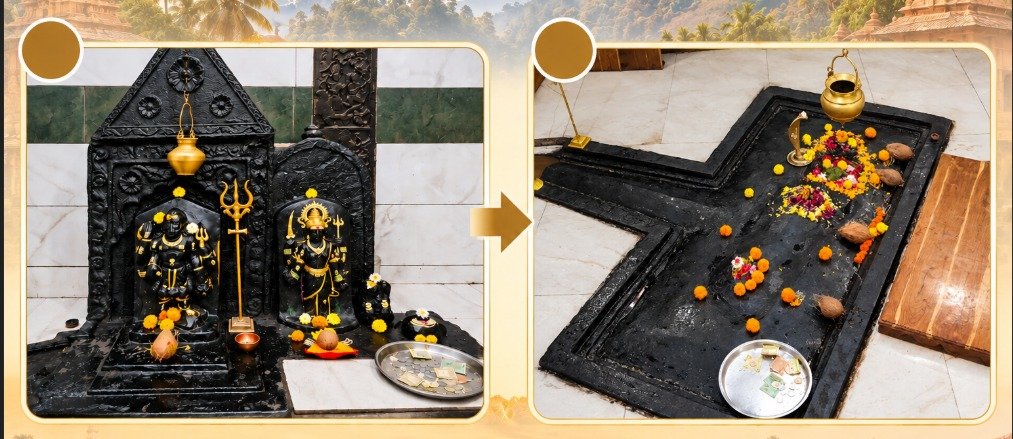
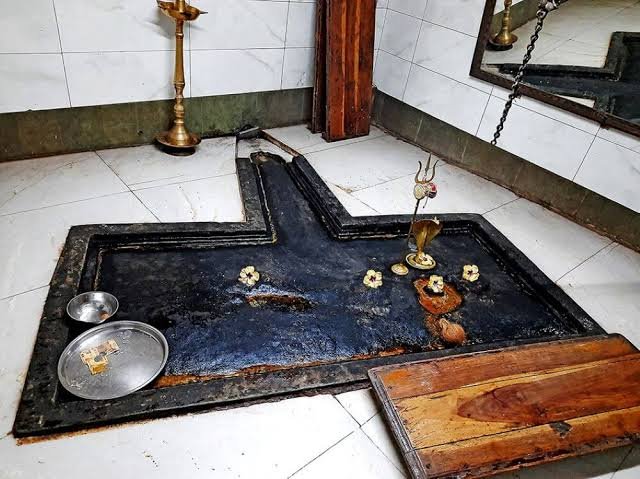
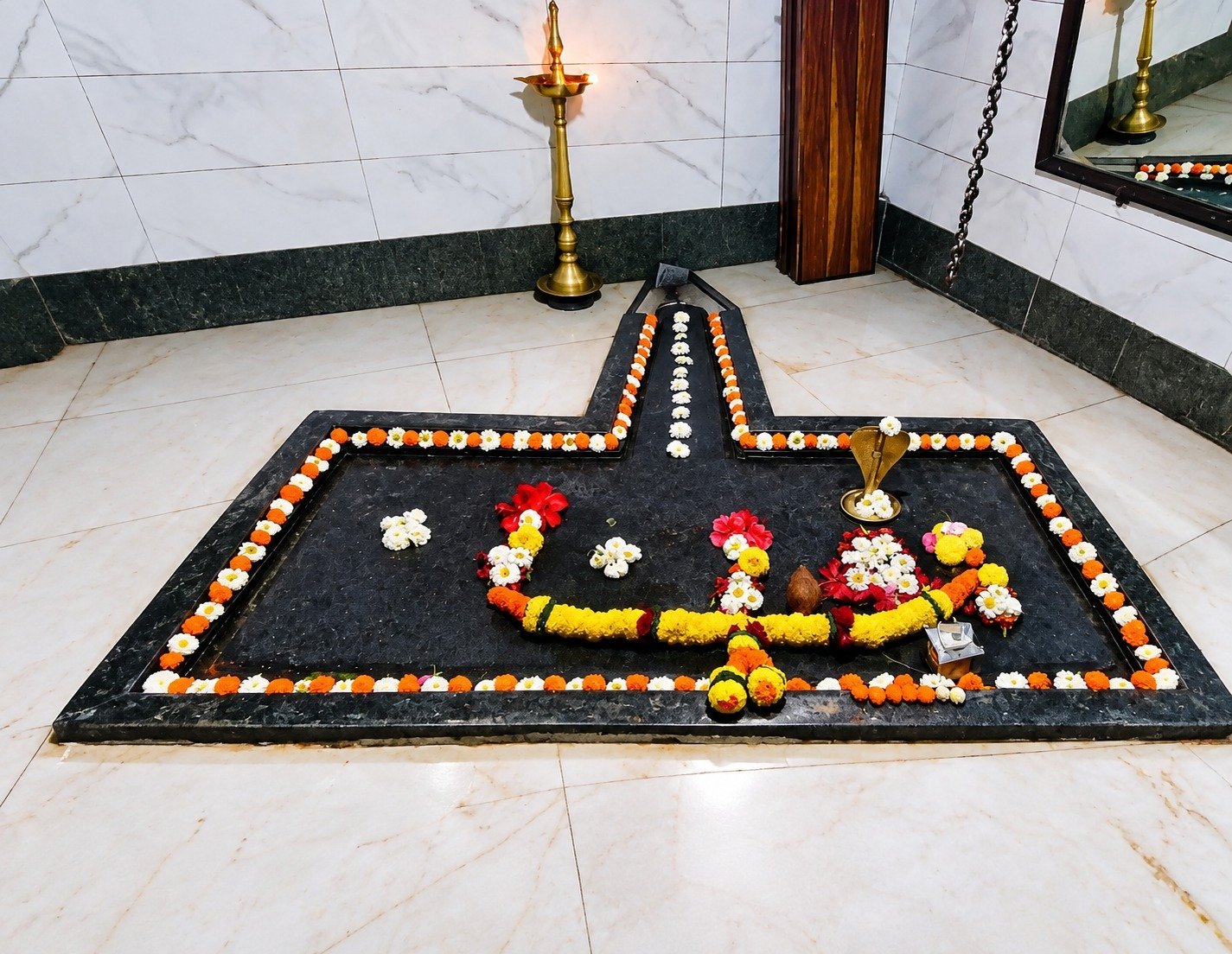
The temple has a main hall with idols of Ganesha, Nandi and Vishnu. The main deity, Shri Harihareshwar, is in the Gabhara in the form of a Linga that represents the four mountains in the same sequence - Brahma, Vishnu, Mahesh and Parvati.

Shri Kalbhairav Temple

Shri Kalbhairav Temple

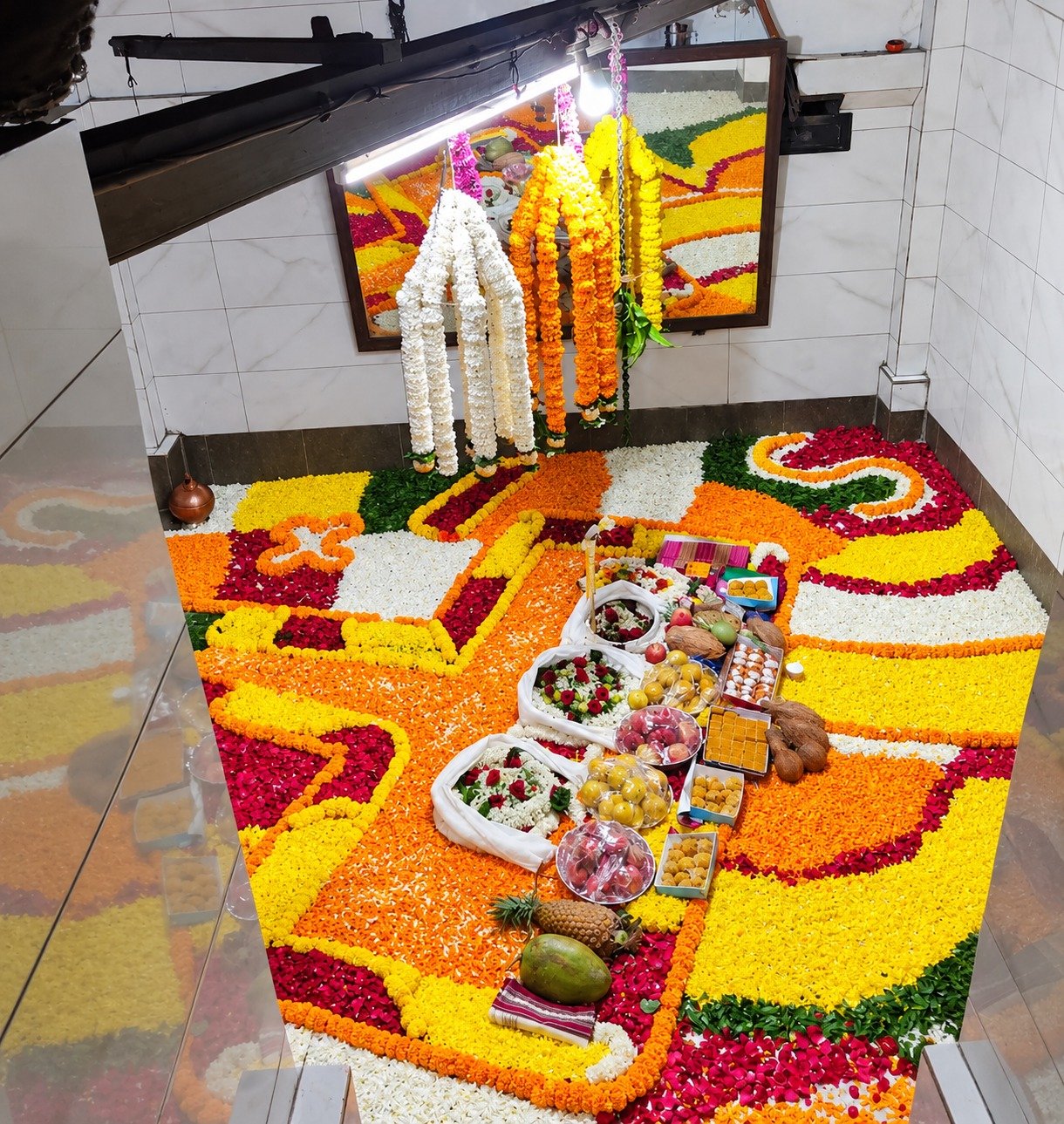
The Kalbhairav temple has the idols of Shri Dev Kalbhairav and Devi Yogeshwari, along with Bapdev and Kshetrapaal. Kartik Vadya Ashtami is observed as the day of incarnation of Shri Kalbhairav and has been celebrated as Kalbhairav Jayanti Utsav for over 100 years.

Teerthas and Shukla Teertha

Teerthas and Shukla Teertha

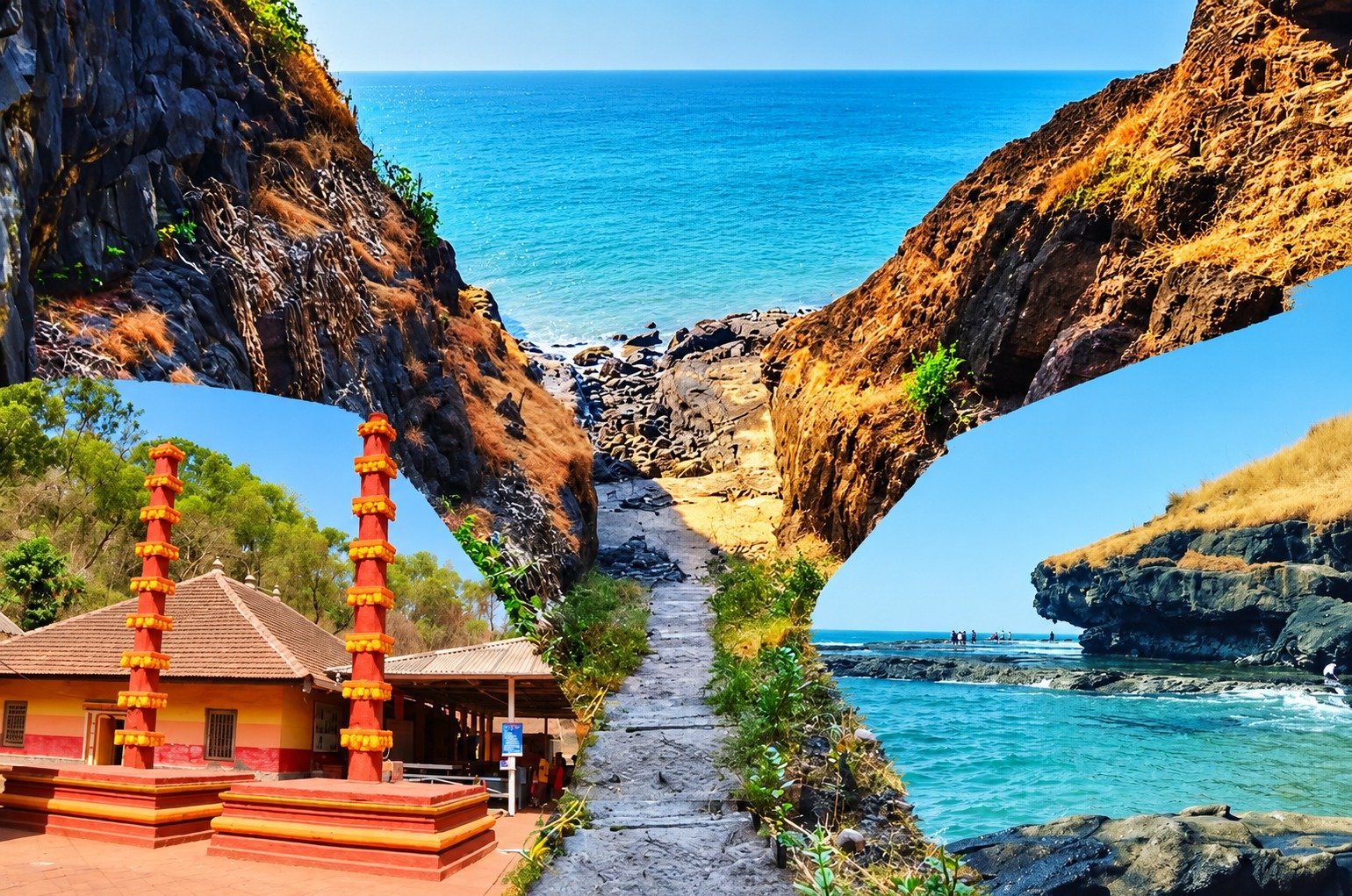
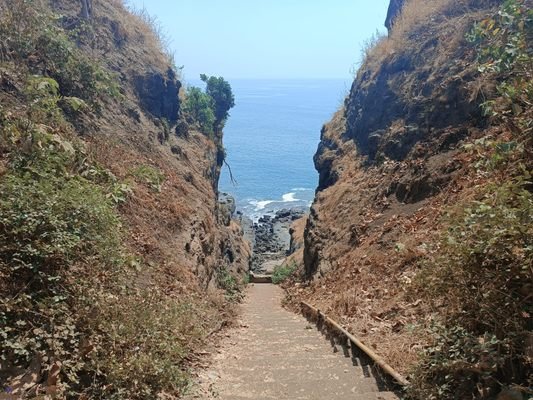
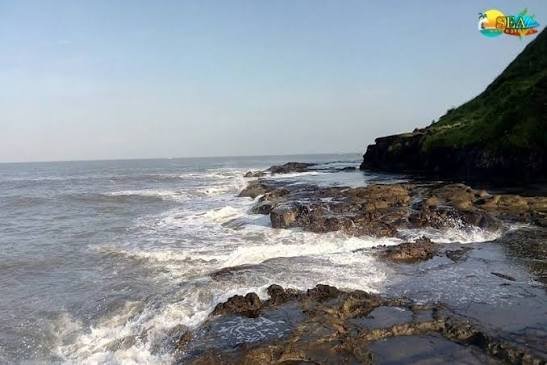
Ganesh Teertha (Ganesh Ghal), Vishnu Pada and Gayatri Teertha are the most commonly visited teerthas. Around 200 steps lead to Shukla Teertha, south of the Harihareshwar temple, which offers breathtaking views of the Arabian Sea and the confluence of the Savitri River and the sea.

Other Temples in Harihareshwar

Other Temples in Harihareshwar

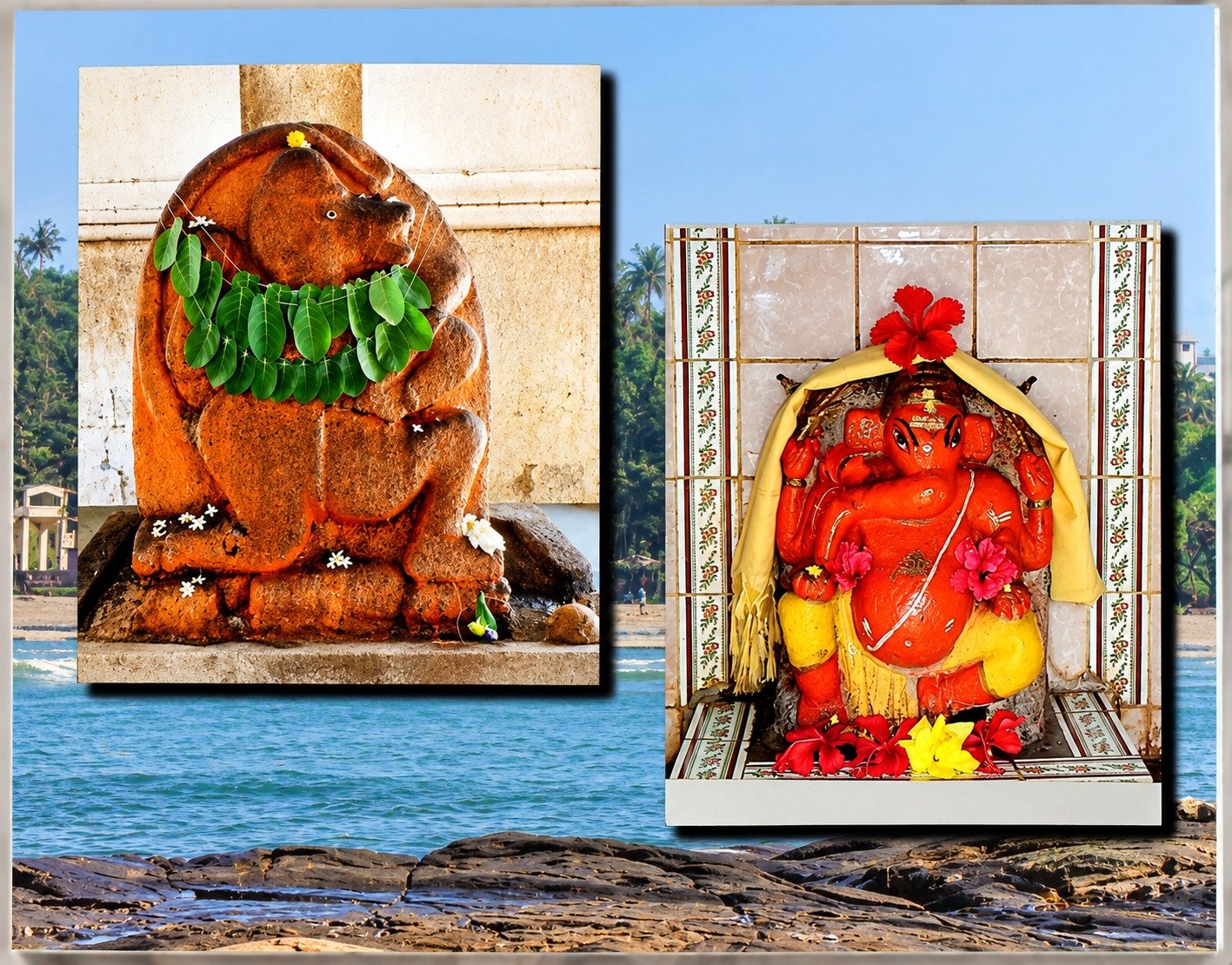
Other temples include the Maruti, Ganesha, Vithoba, Kaleshri Devi, Sakshibhairav, Bapdev and Khajrai Devi temples, and the Agasti cave (visit the cave with someone who knows the way).

Festivals Through the Year

Festivals Through the Year

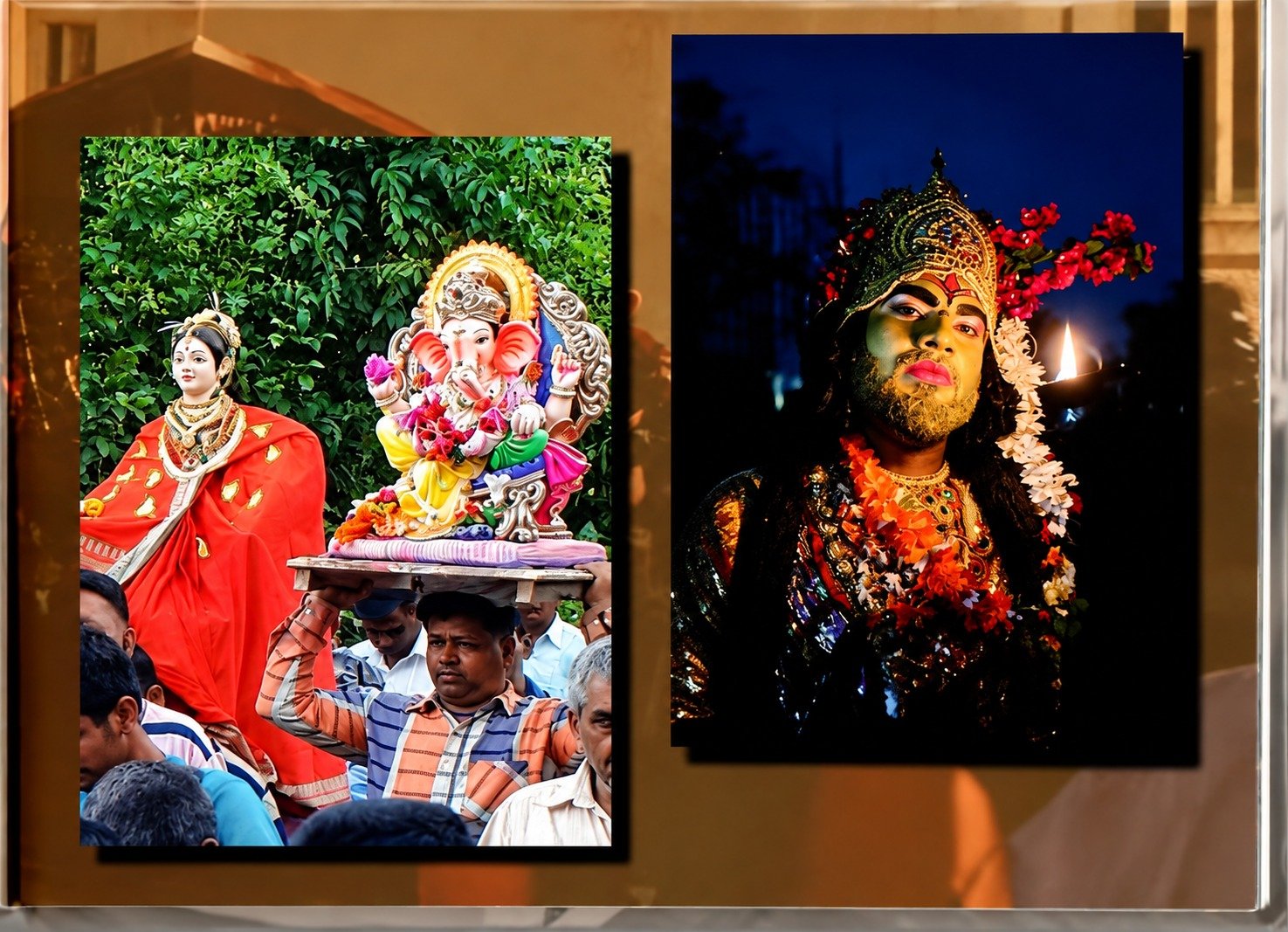
Harihareshwar is filled with festivals all year round. Holi (Shimga), the Ganpati festival and Dahi Handi are very prominent in the Konkan region. Shimga is special because the youngsters of Harihareshwar play various characters, such as Shankasur, in processions across the town.

Temple Management

The temple is managed by the Shri Dev Harihareshwar Mandir Sansthan Trust, registered with the Government as A-114. The trustees are dedicated to running the day-to-day operations and resolving challenges in the best interest of the temples and the trust.

Sacred History
The History and Significance of Harihareshwar

Select Read More to explore each sacred story in detail.

Parashuram and the Sacred Religious Sites

Parashuram and the Sacred Religious Sites

Parashuram arrived in the Chiplun region. From there, he stayed at Harihareshwar, approximately 38 km away.

Parashuram arrived in the Chiplun region. From there, he stayed at Harihareshwar, approximately 38 km away.

There are many religious sites to the south and north.

  • Gokarna
  • The shrine of Goddess Durga
  • Savar
  • Brahmeshwar
  • Kunkeshwar
  • Ganesh Sthan
  • Somnath
  • Mangesh
  • Karadeshwar
  • Dalmesh
  • Vyaghreshwar
  • Jeevaneshwar
  • Deeparaj
  • Kusumesh — Devkhol
  • Amriteshwar
  • Vaijnath
  • Rameshwar
  • Kanakeshwar
  • Sacred sites near Wai, etc.

Among the many sacred places, Shukla Tirtha at Harihareshwar is considered the most eminent.

The Vindhya Mountains and Sage Agastya

The Vindhya Mountains and Sage Agastya

In the Vindhya mountain region of central India, the power of an unrighteous demon began to grow again. The Vindhya mountain also began to rise.

In the Vindhya mountain region of central India, the power of an unrighteous demon began to grow again. The Vindhya mountain also began to rise.

Observing the political situation, Sage Agastya and his devoted wife Lopamudra travelled south.

Through yogic power, he brought the principal demon under control.

He lived in southern India for many years so that the roots of the demonic power could be destroyed.

It is mentioned that his main centre was at Akola in Ahmednagar district.

While travelling through the Sahyadri mountains, he recorded his spiritual practices and thoughts in texts.

While enquiring about sacred places south of Kashi, he heard a description of Harihareshwar.

He came to Harihareshwar and stayed at Morgiri / Morayacha Tok.

Establishment of the Three Sacred Lingas

Establishment of the Three Sacred Lingas

Recognising the importance of Harihareshwar, Sage Agastya established:

Recognising the importance of Harihareshwar, Sage Agastya established:

  • Brahma
  • Vishnu
  • Mahesh

They were established in the form of three sacred lingas.

He performed severe penance. Afterwards, Lord Shankar appeared before him in the form of a divine man.

The cave of Sage Agastya is shown at Morgiri, approximately 3 km north of Harihareshwar.

Preparations for the Great Yajna

Preparations for the Great Yajna

Long ago, Lord Brahma resolved to perform a great yajna together with Vishnu and Shankar.

Long ago, Lord Brahma resolved to perform a great yajna together with Vishnu and Shankar.

Many beings arrived for the yajna:

  • Sages
  • Ascetics
  • Gods and goddesses
  • Yakshas
  • Kinnaras

Preparations for the yajna were made with immense splendour.

Savitri, the senior wife of Brahma, went to her palace to adorn herself in a manner befitting the occasion and remained there.

The appointed time for the yajna drew near, but there was no sign of Savitri arriving.

The priests became worried. Seeing the situation, Vishnu advised that when a religious ceremony is obstructed, the junior wife may perform the duty in place of the senior wife.

Therefore, Gayatri was seated beside her husband and the yajna began.

Savitri’s Curse and Its Release

Savitri’s Curse and Its Release

Savitri came to the yajna pavilion to witness the ceremony.

Savitri came to the yajna pavilion to witness the ceremony.

Seeing that the yajna had already begun, she became furious.

She cursed Vishnu and the other gods:

“You shall become immovable forms and forms of water.”

Because of her thoughtless curse, the gods also cursed her:

“You too shall become a form of water.”

Vishnu made her realise the mistake she had committed. She then granted a release from the curse.

It was declared that the gods transformed into water would regain their original forms after joining the Vishnu-form Krishna River and then merging with the ocean.

All the principal gods manifested as rivers in the Mahabaleshwar region.

  • Vishnu → Krishna River
  • Shankar → [name of the river / Koyna]
  • Krishna–Venna confluence → Mahuli, Satara
  • Krishna–Koyna confluence → Karad
  • The Krishna River later meets the ocean.
The Origin of Harihareshwar

The Origin of Harihareshwar

In anger, Savitri destroyed the yajna and travelled westward through the high cliffs of the Sahyadri mountains.

In anger, Savitri destroyed the yajna and travelled westward through the high cliffs of the Sahyadri mountains.

Vishnu calmed her.

Hari and Har decided to manifest from the ocean in a fierce form.

That place is regarded as the sacred region of Harihareshwar.

Savitri was freed from her curse after merging with the ocean here.

After all the gods were freed from the curse, Brahma restarted the yajna at Harihareshwar.

The most eminent sages were invited.

The following were established for the yajna:

  • Water
  • Sacred fire pit
  • Brahmasana
  • Kamandalu

An extraordinary yajna was performed.

After Vishnu prayed, Gayatri—who had gone to Mahabaleshwar—manifested when Savitri’s release from the curse commanded her to “appear”.

Following the prayers of all the gods, Shri Harihar permanently resided there in the form of a mountain.

Seen from a distance, this mountain appears somewhat separate in the sea. This is the sacred region of Harihareshwar.

The Destruction of Shataghna and Kalbhairav

The Destruction of Shataghna and Kalbhairav

Later, during the Varaha Kalpa, a powerful demon named Shataghna began tormenting everyone.

Later, during the Varaha Kalpa, a powerful demon named Shataghna began tormenting everyone.

After the gods prayed, Shankar manifested here as a radiant divine man.

He destroyed Shataghna.

The attendants of Shankar destroyed the demon’s army.

Everyone celebrated with joy.

The occasion was Kartik Vadya Ashtami.

Even today, a grand festival and Mahaprasad are held here on this day.

It is believed that virtuous souls attain liberation here.

Shiva took a vow from his attendants and permanently remained here in the form of Kalbhairav.

The Tradition of Darshan

The Tradition of Darshan

Devotees should first take darshan of Kalbhairav.

Devotees should first take darshan of Kalbhairav.

They should then visit the temple of the principal deity, Harihareshwar.
The deities established here by Sage Agastya are:

  • Brahma
  • Vishnu
  • Mahesh
  • Goddess Parvati

They are described as residing here in the form of three sacred lingas.

Pradakshina and the Mountain Climb

Pradakshina and the Mountain Climb

The sequence thereafter is:

The sequence thereafter is:

  1. Perform one and a half circumambulations in front of Ganapati and Nandi.
  2. Take darshan of Kalbhairav again.
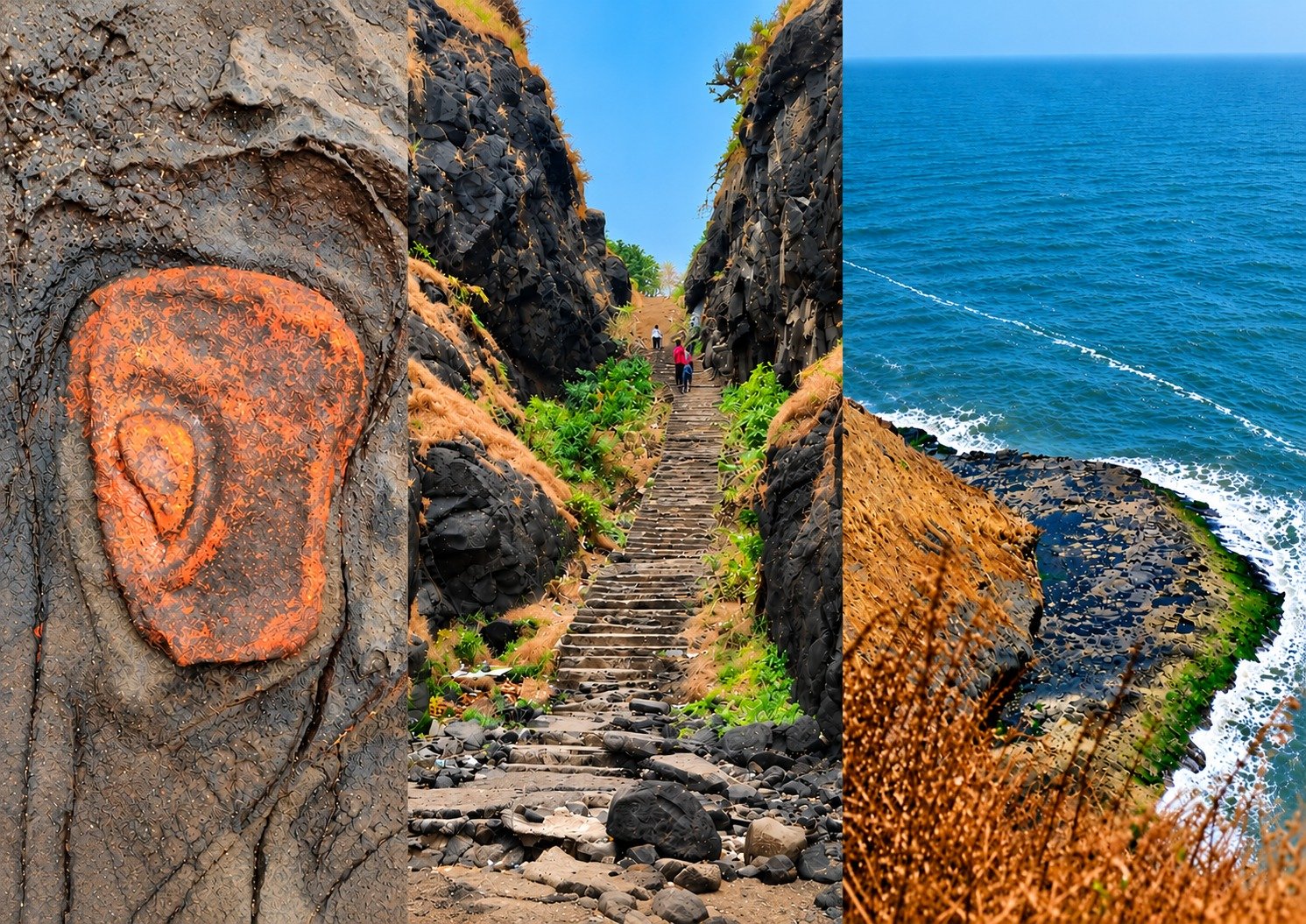
  3. Climb the mountain using the stone steps behind the temple.
  • Number of steps: 70
  • Height: approximately 42 metres

The summit offers a beautiful and breathtaking view.

Chandrarao More, Shivaji Maharaj and the Peshwas provided grants for constructing the temple and the steps.

Scenic Views from the Mountain Summit

Scenic Views from the Mountain Summit

Before descending the steps, walk carefully along the right-hand edge for approximately five minutes to reach the mountain summit.

Before descending the steps, walk carefully along the right-hand edge for approximately five minutes to reach the mountain summit.

From here one can see:

  • A vast view of the sea
  • The curvature of the horizon
  • Harihareshwar beach
  • Lush green plantations

These views can be clearly seen.

To the left of the steps, climb approximately 2 metres farther to take darshan at a small sacred place.

To the south, there is an expansive and beautiful view of the sea.

Sacred Sites along the Parikrama Route

Sacred Sites along the Parikrama Route

Many sacred tirthas are mentioned along the Parikrama route.

Many sacred tirthas are mentioned along the Parikrama route.

  • Shukla Tirtha
  • Vishnupad
  • Gayatri Tirtha
  • Shool Tirtha
  • Chakra Tirtha
  • Naga Tirtha
  • Gautam Tirtha
  • Kamandalu Tirtha
  • Kamadhenu Tirtha
  • Gauri Tirtha
  • Pandav Tirtha
  • Brahma Tirtha
  • Vishnu Tirtha
  • Nandi Tirtha
  • Shiva Tirtha
  • Sakhi Parvati Sthan
  • Ganesh Tirtha
  • Swargadwar
  • Vaitarani River
  • Siddhashram
  • Surya Tirtha
  • Shankha Tirtha
  • Devkoti
  • Rama Tirtha
Shukla Tirtha and Vishnupad

Shukla Tirtha and Vishnupad

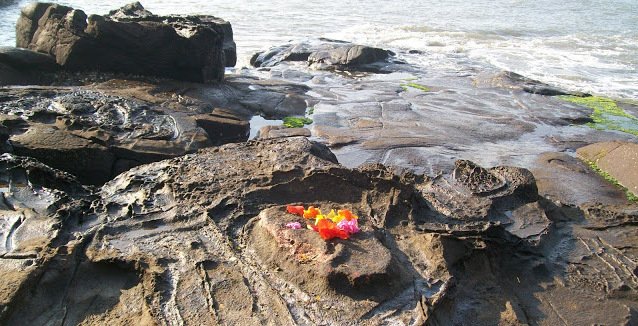
After descending the steps, Shukla Tirtha can be seen directly ahead.

After descending the steps, Shukla Tirtha can be seen directly ahead.

It is considered one of the most sacred pilgrimage sites in Konkan.

It is mentioned that Vishnu took three steps here for the liberation of people / sages.

Therefore, this place is revered as Vishnupad.

From Shukla Tirtha, proceed to the right; this sacred place lies between two cliffs.

Legend says that Gayatri was freed from her curse here.

It is mentioned that the Pandavas performed Pind Daan here.

The Short Parikrama

The Short Parikrama

Proceeding beyond Shukla Tirtha brings one back to the Harihareshwar temple.

This route is known as the short Parikrama.

  • Duration: approximately 30 to 45 minutes
The Complete Parikrama Route

The Complete Parikrama Route

The complete Parikrama route is:

The complete Parikrama route is:

Brahma Tirtha → Vishnu Tirtha → Nandi Tirtha → Shiva Tirtha → Sakhi Parvati Sthan → Ganesh Tirtha → Swargadwar → Vaitarani River → Siddhashram → Surya Tirtha → Shankha Tirtha → Devkoti → Rama Tirtha → Shukla Tirtha

Afterwards, climb the steps.

Take darshan of Kalbhairav and Harihareshwar.
The Parikrama is completed after the darshan.

Duration: approximately 2 to 2½ hours.

During the Kartiki Ekadashi pilgrimage, this Parikrama is completed with the palanquin procession.

The Parikrama Experience and Spiritual Message

The Parikrama Experience and Spiritual Message

At the beginning of the Parikrama, climbing and descending the mountain can be slightly strenuous.

At the beginning of the Parikrama, climbing and descending the mountain can be slightly strenuous.

The experience becomes increasingly joyful afterwards.

The Parikrama offers:

  • Cool, fresh and salty sea breeze
  • Improved blood circulation
  • Healthy perspiration caused by sunlight
  • Beautiful natural surroundings
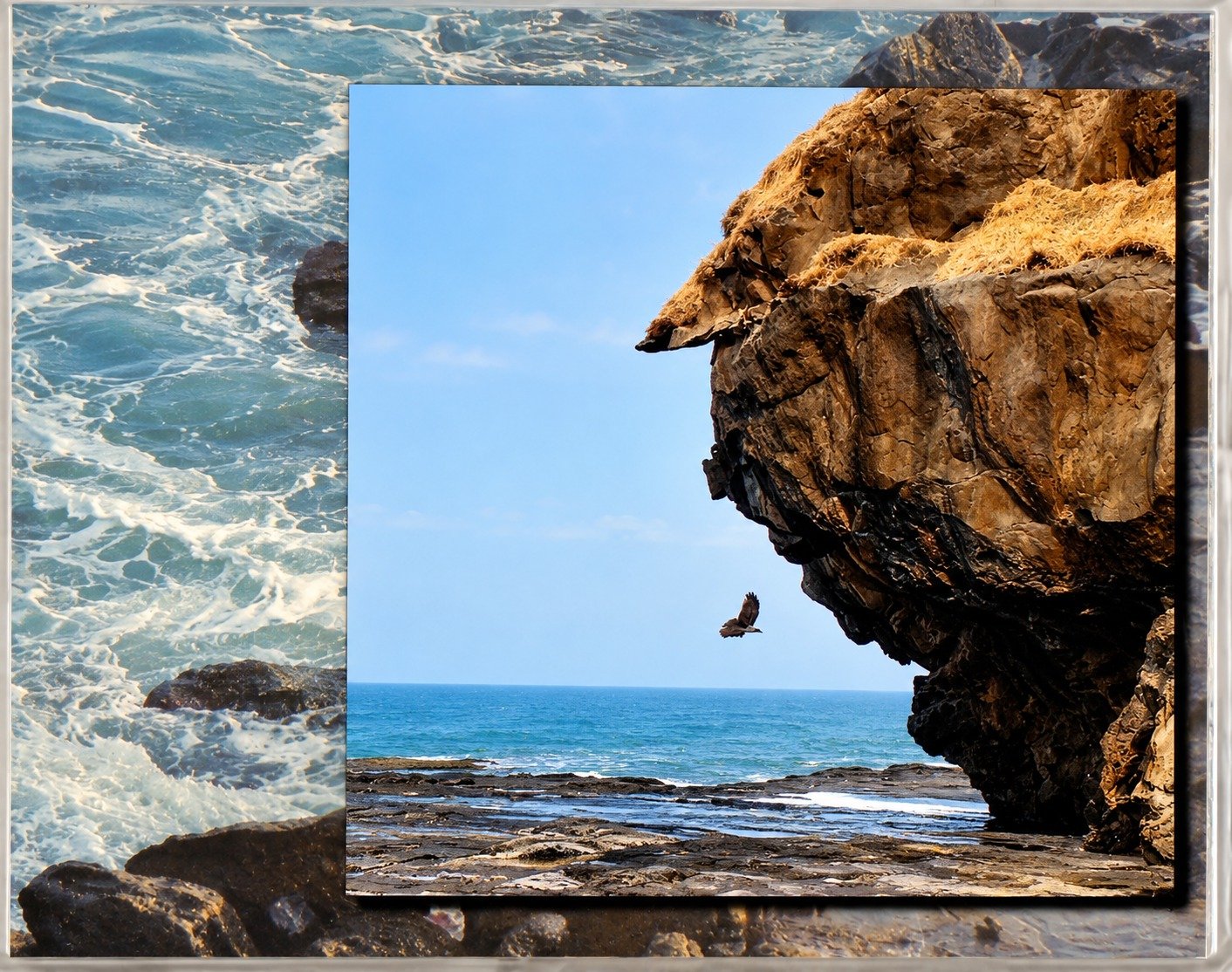
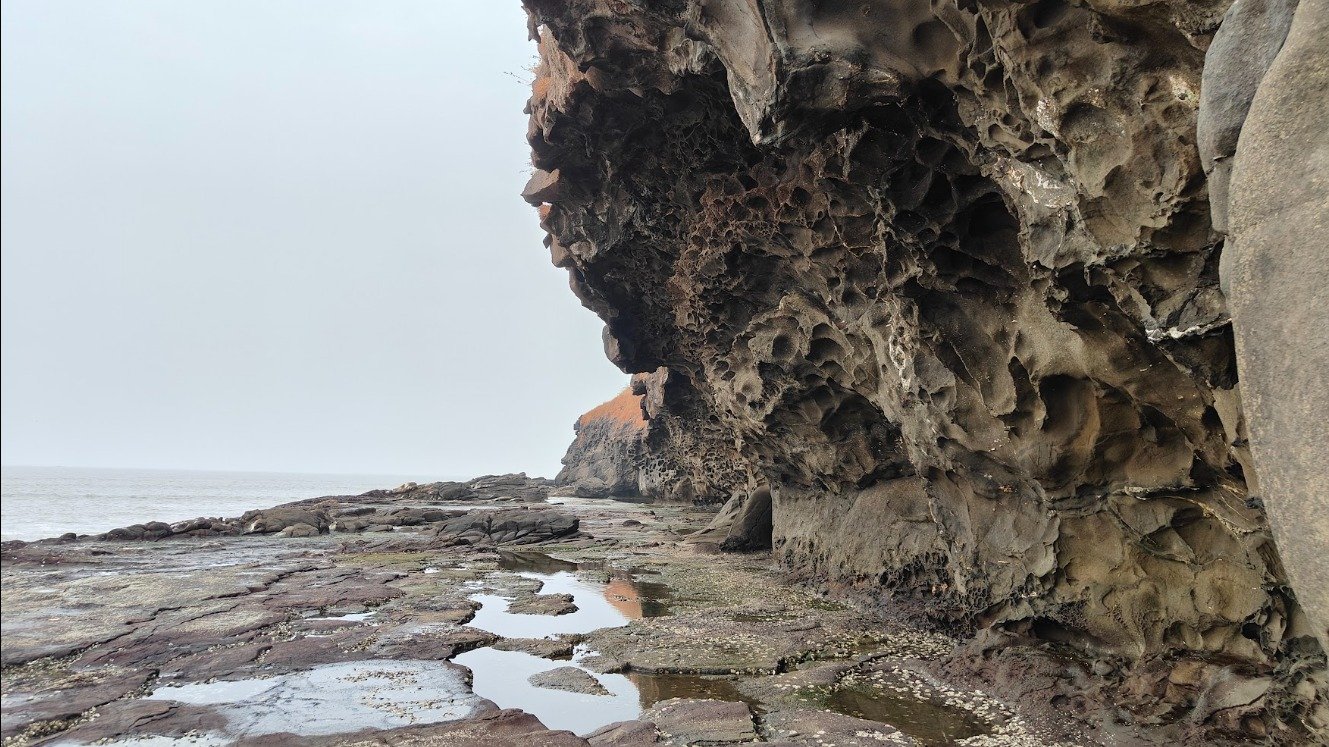
  • Natural sculptures formed on the rocks by waves and wind
  • Elimination of toxins from the body
  • A healthy appetite
  • The spiritual merit of completing the Parikrama
  • Refreshment of both body and mind

The religious and spiritual message of the Parikrama is that it inspires people to remove negative qualities from their minds.

Geography

Geography

  • Latitude: Approximately 18°
  • Longitude: Approximately 72°
  • Rainfall: 250 cm
  • Climate: Hot and humid, with moderately cool winters
  • Temperature: Maximum approximately 40°, minimum approximately 12°
  • The coastal climate has a noticeable influence on the region.